Product launch graphics
Educational posts
LinkedIn graphics
How to earn:
Approach local businesses, digital marketing agencies, restaurants, gyms, clothing stores and real estate companies.
Offer packages rather than charging for every individual post.
Example packages:
Package Illustrative price
10 social media posts ₹1,500–₹3,000
20 social media posts ₹3,000–₹6,000
Monthly design package ₹5,000–₹12,000
These are suggested starting prices, not guaranteed market rates.
AI tools: Canva, Adobe Express, Ideogram, ChatGPT.
How to earn:
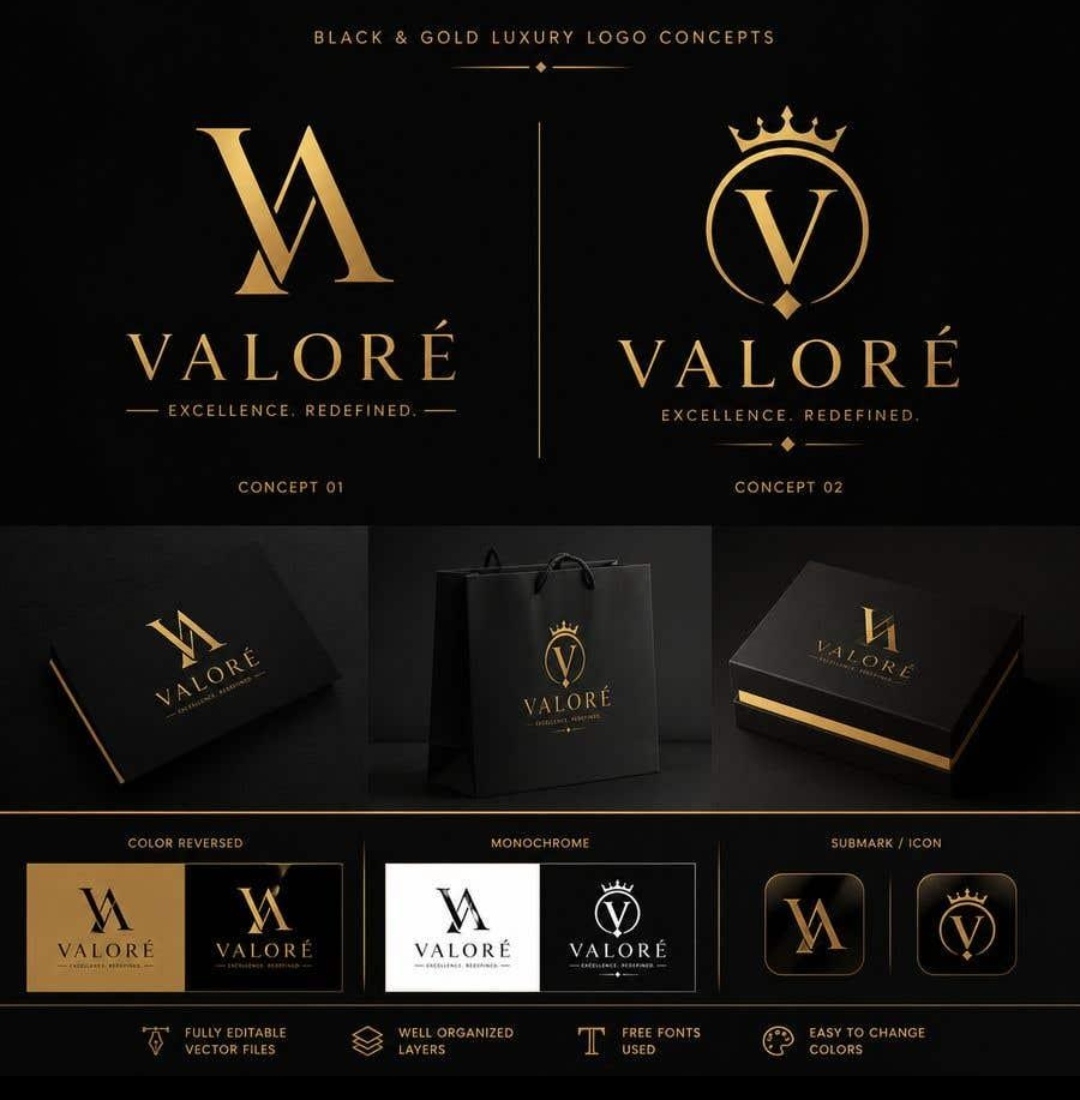
A client approaches you for a logo. You understand their business, create design concepts, refine the selected concept and deliver the final files.
Illustrative pricing in India:
Basic logo: ₹500–₹1,500
Professional logo: ₹2,000–₹5,000
Complete brand identity: ₹5,000–₹15,000+
The actual price depends on originality, design quality and the scope of work.
AI tools: Ideogram, Recraft, Adobe Firefly, Canva.
Important: AI-generated logo concepts often need manual refinement. Check trademark availability before delivering a logo for commercial use.
### AI Video Editing Products: How to Create and Earn Money
AI video editing products are digital products that help video creators, YouTubers, influencers, editors and businesses create or edit videos faster.
This is an interesting business opportunity because you don't necessarily need to edit every customer's video yourself. You can create a digital editing product once and sell it repeatedly.
Let's understand the complete business model.
### 1\. What are AI video editing products?
Suppose a YouTube creator regularly makes videos but struggles with:
* Editing videos quickly.
* Adding subtitles.
* Creating attractive transitions.
* Adding background effects.
* Making professional reels.
* Creating engaging video introductions.
You can create ready-to-use editing resources that help solve these problems.
For example, you could create a pack containing 50 subtitle styles, 30 transitions, 20 video templates and 10 editing presets.
You package these resources and sell them as a digital product.
### 2\. Types of AI video editing products you can sell
Here are 10 business opportunities.
### 1\. Video editing templates
These are pre-designed editing projects that customers can customize.
Examples:
* Instagram Reels templates.
* YouTube Shorts templates.
* Promotional video templates.
* Product advertisement templates.
* Birthday and wedding video templates.
Customers: Content creators, influencers and small businesses.
Suggested price: ₹199–₹999 per bundle.
### 2\. Subtitle and caption templates
Many creators want attractive subtitles for their videos.
You can create:
* Animated subtitles.
* Highlighted keyword styles.
* Professional podcast captions.
* Gaming subtitles.
* Hindi and English caption styles.
Suggested price: ₹99–₹499 per pack.
### 3\. Video transitions and effects
Create collections of transitions and effects that editors can reuse.
Examples:
* Smooth zoom transitions.
* Cinematic transitions.
* Glitch effects.
* Motion effects.
* Light leak effects.
* Social media transitions.
Suggested price: ₹199–₹799.
### 4\. AI video editing presets
Presets are saved editing settings that customers can apply to their videos.
Examples:
* Cinematic colour grading.
* Travel video colour presets.
* Professional interview looks.
* Product video colour styles.
* Vlog editing presets.
Suggested price: ₹199–₹699.
### 5\. Ready-made advertisement video templates
This is particularly useful for businesses.
Create editable templates for:
* Clothing brands.
* Restaurants.
* Real estate businesses.
* Gyms.
* Beauty salons.
* Electronic stores.
For example, a clothing business can purchase your template, replace the product footage and create its own advertisement.
Suggested price: ₹299–₹1,499.
### 6\. AI video prompt packs
You can create specialized prompts for AI video generators.
For example:
* Product advertisement video prompts.
* Cinematic storytelling prompts.
* YouTube intro prompts.
* Social media promotional video prompts.
* Animated educational video prompts.
Suggested price: ₹99–₹499.
### 7\. Sound effects and editing audio packs
Create original or properly licensed audio resources.
Examples:
* Whoosh effects.
* Cinematic impacts.
* Background ambience.
* Notification sounds.
* Transition sounds.
* Gaming sound effects.
Suggested price: ₹99–₹499.
Make sure you have the commercial rights to distribute the audio.
### 8\. Video editing project files
You can create editable project files for supported editing software.
Examples:
* YouTube intro projects.
* Reels editing projects.
* Podcast video projects.
* Promotional video projects.
* Gaming montage projects.
Suggested price: ₹299–₹1,499.
### 9\. AI video editing workflow kits
These products explain how to complete editing tasks using AI tools.
For example, a YouTube workflow kit could contain:
* Generate a script.
* Generate voice-over.
* Create video scenes.
* Add subtitles.
* Add music and sound effects.
* Export the final video.
You can sell the complete workflow as a PDF guide with prompts and reusable resources.
Suggested price: ₹299–₹999.
### 10\. Video editing courses
Create beginner-friendly courses teaching people how to use AI video editing tools.
Topics:
* Editing Instagram Reels.
* Creating YouTube Shorts.
* AI advertisement creation.
* Faceless video production.
* Professional video editing workflows.
Suggested price: ₹499–₹2,999.
### 3\. Which AI tools can help you create these products?
Here are some useful tools.
| AI tool | Main purpose |
| ------------------ | ---------------------------------- |
| CapCut | Video editing and templates |
| Canva | Video and graphic templates |
| Adobe Premiere Pro | Professional video editing |
| Runway | AI video generation and editing |
| Descript | Text-based video and audio editing |
| ElevenLabs | AI voice generation |
These tools have different subscription plans and commercial-use conditions. Check the licensing terms before reselling any templates, assets or project files.
### 4\. How to create your first video editing product
Let's take an example.
Your first product:
Instagram Reels Editing Master Bundle
You could include:
| Product component | Quantity |
| ----------------- | -------- |
| Reels templates | 20 |
| Subtitle styles | 20 |
| Transitions | 15 |
| Sound effects | 20 |
| Editing tutorials | 5 |
| AI video prompts | 30 |
Package these resources into a downloadable product.
You can use Canva, CapCut or other compatible editing software to create the assets.
Before selling, test every template and clearly mention which software and version it supports.
### 5\. How much can you charge?
Illustrative pricing:
| Product | Price |
| ----------------------------- | ------ |
| Subtitle pack | ₹149 |
| Reels template pack | ₹299 |
| Transition bundle | ₹399 |
| AI video prompt pack | ₹199 |
| Editing preset bundle | ₹499 |
| Complete editing bundle | ₹999 |
| Premium business ad templates | ₹1,499 |
Pricing depends on product quality, compatibility and usefulness.
### 6\. How can you sell these products?
You have three main options.
Option 1: Your own website
Sell products directly and automatically deliver downloadable files after payment.
Option 2: Digital product platforms
* Gumroad — [Website](https://gumroad.com/?utm_source=chatgpt.com).
* Payhip — [Website](https://payhip.com/?utm_source=chatgpt.com).
Option 3: Your AI Marketplace
Create a dedicated category:
AI Video Creator Store
Allow creators to upload and sell:
* Editing templates.
* Presets.
* Transitions.
* Sound effects.
* Prompt packs.
* Video project files.
* Editing courses.
Your platform can earn commission on every successful sale.
### 7\. How much can you earn?
Let's calculate a hypothetical example.
Suppose you sell a video editing bundle for ₹499.
| Monthly sales | Gross revenue |
| ------------- | ------------- |
| 20 | ₹9,980 |
| 50 | ₹24,950 |
| 100 | ₹49,900 |
| 200 | ₹99,800 |
This is revenue before platform fees, marketing costs, refunds and taxes. These sales figures are examples, not guaranteed outcomes.
### 8\. My business recommendation
I would not start with 10 different products.
Start with three:
* Instagram Reels Creator Kit – ₹299.
* AI Advertisement Video Kit – ₹499.
* YouTube Shorts Editing Bundle – ₹399.
Why these three?
They target identifiable customers and solve practical content-creation problems.
You can later combine them into a premium bundle.
### 9\. One important opportunity for your AI Marketplace
You could create a complete digital product category called Video Creator Assets.
Potential subcategories:
* Video Templates
* Editing Presets
* Transitions & Effects
* Subtitle Packs
* Sound Effects
* AI Video Prompts
* Project Files
* Video Courses
This would help your website become more than an AI tools directory.
One important distinction: Selling video editing products is different from selling video editing services. With products, you create reusable assets and sell them repeatedly. With services, you edit individual customers' videos and charge per project.
My recommendation is to start with digital products, then offer premium video editing services as an additional revenue stream.
### AI Prompt Packs: How to Create and Earn Money
AI Prompt Packs are one of the easiest digital products to start selling because you don't need to develop software or build an AI model.
You create a collection of professionally designed prompts, organize them into a useful package and sell that package to customers.
Let's understand the complete business model.
### 1\. What are AI Prompt Packs?
An AI prompt is an instruction that you give to an AI tool such as ChatGPT, Claude or Gemini to get a particular result.
For example, a basic prompt might be:
"Write an Instagram caption for my clothing business."
But a professionally designed prompt could ask the AI to:
* Understand the target audience.
* Identify the product's unique selling points.
* Generate 10 engaging captions.
* Suggest suitable hashtags.
* Create different tones.
* Include a call to action.
This is much more useful.
An AI Prompt Pack is a collection of such prompts designed around a particular purpose.
### 2\. What types of prompt packs can you sell?
Here are 12 potential product categories.
| Prompt Pack | Target customers |
| --------------------------- | --------------------- |
| Business Growth Prompts | Entrepreneurs |
| Instagram Growth Prompts | Content creators |
| Digital Marketing Prompts | Marketing agencies |
| YouTube Creator Prompts | YouTubers |
| AI Image Generation Prompts | Designers |
| AI Video Generation Prompts | Video creators |
| Resume & Job Prompts | Job seekers |
| Freelancing Prompts | Freelancers |
| E-commerce Prompts | Online sellers |
| Real Estate Prompts | Property agents |
| Education Prompts | Students and teachers |
| Finance Education Prompts | Finance learners |
My recommendation: Start with business, marketing, content creation and freelancing prompt packs.
These have clear customer groups and practical applications.
### 3\. Example: What does a prompt pack actually contain?
Let's create a product called:
Instagram Growth Master Prompt Pack
Suggested contents:
| Section | Number of prompts |
| ---------------------------- | ----------------- |
| Instagram content ideas | 20 |
| Caption generation | 15 |
| Reel scripts | 20 |
| Hashtag research | 10 |
| Content calendar | 10 |
| Audience engagement | 10 |
| Instagram marketing strategy | 15 |
| Total | 100 |
You can sell this as a PDF, Notion resource or downloadable document.
The important thing is that each prompt should have a specific purpose, clear instructions and customizable fields.
### 4\. How to create AI Prompt Packs
You can follow this process.
Step 1: Select a niche
Choose one customer group.
For example, instead of selling 100 random prompts, create:
"100 AI Prompts for Digital Marketing Agencies."
Step 2: Research customer problems
Find out what your target customers struggle with.
For digital marketing agencies:
* Writing advertisements.
* Creating content calendars.
* Generating marketing strategies.
* Writing client proposals.
* Creating social media captions.
* Analyzing competitors.
Step 3: Create the prompts
Use ChatGPT or Claude to help you develop and test prompts.
Step 4: Test every prompt
Run each prompt through the intended AI tool. Improve unclear instructions and remove prompts that produce repetitive or poor results.
Step 5: Package the prompts
Organize the product into:
* Cover page.
* Introduction.
* Instructions for using prompts.
* Categorized prompts.
* Customization examples.
* Bonus prompts.
Step 6: Export and sell
Create a PDF using Canva or Google Docs and sell it through your website or a digital product platform.
### 5\. How much should you charge?
Illustrative pricing for the Indian market:
| Product | Suggested price |
| -------------------- | --------------- |
| 25 prompts | ₹49–₹99 |
| 50 prompts | ₹99–₹199 |
| 100 prompts | ₹199–₹399 |
| 250 prompts | ₹399–₹699 |
| Premium niche bundle | ₹699–₹1,499 |
Don't compete only on the number of prompts. Compete on usefulness, quality and tested results.
### 6\. Example monthly earning calculation
Suppose you sell a prompt pack for ₹199.
AI Prompt Pack Revenue Calculator
Product price
₹199
Monthly sales
100
MONTHLY GROSS REVENUE
### ₹19,900
Before payment fees, advertising, refunds and taxes. Illustrative calculation, not guaranteed earnings.
### 7\. Where can you sell prompt packs?
You have three main options.
* Your own website: Sell directly and retain control over branding, pricing and customer relationships.
* Gumroad: [Explore Gumroad](https://gumroad.com/?utm_source=chatgpt.com).
* Payhip: [Explore Payhip](https://payhip.com/?utm_source=chatgpt.com).
You can also create a dedicated prompt marketplace inside your AI Marketplace website.
### 8\. A bigger opportunity for AI Marketplace
I would introduce a dedicated section called Prompt Store.
Potential features:
* Creator registration.
* Upload and sell prompt packs.
* Free and paid prompts.
* Prompt categories.
* Customer ratings.
* Preview before purchasing.
* Downloadable PDF products.
* Creator profiles.
* Affiliate commissions.
* Platform commission on sales.
You could initially charge sellers a 15% commission on successful transactions.
This creates an opportunity for other creators to earn while your marketplace earns from sales.
### 9\. Five prompt packs I would launch first
My first choice
1\. AI Business Growth Pack
100 prompts for business planning, marketing, sales and customer acquisition.
Suggested price: ₹299
2\. Social Media Creator Pack
150 prompts for Instagram, YouTube, captions, reels and content planning.
Suggested price: ₹299
3\. Digital Marketing Agency Pack
100 prompts for advertisements, client proposals, marketing strategies and reporting.
Suggested price: ₹399
4\. AI Video Creator Pack
100 prompts for video scripts, storytelling, advertisements and AI video generation.
Suggested price: ₹299
5\. Freelancer Success Pack
100 prompts for finding clients, writing proposals, building portfolios and communicating with customers.
Suggested price: ₹299
### 10\. One important business strategy
Don't sell a simple PDF containing hundreds of ordinary ChatGPT instructions.
Create a ready-to-use solution.
For example, a Digital Marketing Agency Prompt Pack should include:
* Client onboarding prompt.
* Competitor analysis prompt.
* Marketing strategy prompt.
* Advertisement copy prompt.
* Social media calendar prompt.
* Monthly performance report prompt.
That makes your product more valuable to a business owner.
My suggestion: Your first product should be the Digital Marketing Agency Prompt Pack. It can also help you attract potential customers for your BrandUP ADZ services.
You could eventually sell these packs individually and as premium bundles through your AI Marketplace.
### AI-Generated eBooks: How to Create and Earn Money
Let's understand this as a business opportunity, from beginner level to selling your first eBook.
### 1\. What is an AI-generated eBook?
An eBook is a digital book that people read on mobile phones, laptops, tablets or computers.
An AI-generated eBook is a book created with the assistance of AI tools.
For example, suppose you create an eBook titled:
"50 Ways to Earn Money Using Artificial Intelligence."
You can use AI to:
* Research the topic.
* Generate chapter ideas.
* Write explanations.
* Create practical examples.
* Prepare exercises.
* Design the book cover.
* Format the content into a PDF.
You then sell that PDF to customers.
The important thing is that you should edit, fact-check and improve the AI-generated content before selling it.
### 2\. What types of eBooks can you create?
There are several categories you can explore.
### A. Business and earning eBooks
Examples:
* How to Start an Online Business.
* 50 AI Business Ideas for Beginners.
* How to Start a Digital Marketing Agency.
* Freelancing for Beginners.
* How to Earn Money Through AI.
Target customers: Students, entrepreneurs and freelancers.
### B. Education eBooks
Examples:
* English Grammar for Beginners.
* Basic Accounting Explained.
* Business Studies Complete Guide.
* Interview Preparation Guide.
* Competitive Exam Study Notes.
Target customers: Students and job seekers.
### C. Self-improvement eBooks
Examples:
* 30-Day Discipline Challenge.
* Time Management for Students.
* How to Build Better Habits.
* Confidence Building Guide.
* Productivity Handbook.
### D. Health and fitness eBooks
Examples:
* Beginner Home Workout Guide.
* Healthy Meal Planning.
* Beginner's Yoga Guide.
* Fitness Tracking Journal.
Health-related information should be fact-checked and should not replace professional medical advice.
### E. AI and technology eBooks
Examples:
* ChatGPT Complete Beginner Guide.
* 100 AI Tools for Business.
* AI Automation for Beginners.
* AI Content Creation Handbook.
* Prompt Engineering Guide.
My recommendation: Start with AI, business and earning-related eBooks because they connect naturally with your AI marketplace audience.
### 3\. How to create an eBook using AI
Let's take a practical example.
Suppose we want to create:
"The Beginner's Guide to Earning Money with AI."
Follow these steps.
### Step 1: Select a topic
Don't choose something too broad, like Artificial Intelligence.
Instead, choose a topic that solves a specific problem.
For example:
* How students can earn using AI.
* How freelancers can sell AI services.
* How small businesses can use AI marketing.
* How to start an AI automation business.
Specific topics make it easier to find potential customers.
### Step 2: Research the topic
You can use these AI tools:
| Tool | Purpose |
| ---------- | ---------------------------------- |
| ChatGPT | Research, explanations and ideas |
| Perplexity | Research with references |
| Gemini | Generate examples and explanations |
| Claude | Long-form writing and editing |
Verify important facts, statistics and claims using reliable sources.
### Step 3: Create a table of contents
Before writing the book, prepare a chapter structure.
Example:
| Chapter | Topic |
| ------- | --------------------------- |
| 1 | Introduction to AI earning |
| 2 | AI content creation |
| 3 | AI website development |
| 4 | AI video creation |
| 5 | AI automation services |
| 6 | AI freelancing |
| 7 | Selling AI digital products |
| 8 | Finding customers |
| 9 | Pricing your services |
| 10 | Building your AI business |
This gives your book a proper structure.
### Step 4: Write the chapters
Use AI to write each chapter separately.
For every chapter, include:
* Detailed explanations.
* Realistic examples.
* Step-by-step instructions.
* Common mistakes.
* Practical exercises.
* Useful resources.
Avoid generating an entire 100-page book in one prompt. It can produce repetitive and shallow content.
### Step 5: Design the eBook
You can use:
Canva: For book covers, page layouts and PDF formatting.
Adobe Express: For professional covers and marketing graphics.
Your eBook should include:
* Cover page.
* Title and author information.
* Copyright and disclaimer.
* Table of contents.
* Chapters.
* Examples and exercises.
* Conclusion.
* References, where applicable.
Finally, export the document as a PDF.
### Step 6: Quality-check the book
Before selling, check:
* Spelling and grammar.
* Repeated content.
* Accuracy of information.
* Page formatting.
* Readability on mobile.
* Copyright and licensing.
Remember: An AI-generated document is not automatically a valuable eBook.
### 4\. How much can you charge?
Here is an illustrative pricing strategy for the Indian market.
| eBook type | Suggested price |
| ----------------------------- | --------------- |
| Short guide (10–20 pages) | ₹49–₹99 |
| Practical guide (30–50 pages) | ₹149–₹299 |
| Detailed guide (60–100 pages) | ₹299–₹599 |
| Premium workbook | ₹499–₹999 |
Pricing depends on quality, usefulness, originality and customer demand.
### 5\. Where can you sell your eBooks?
Here are some platforms:
| Platform | What it offers |
| ---------------- | --------------------------- |
| Gumroad | Digital product selling |
| Payhip | eBook sales and downloads |
| Instamojo | Digital selling in India |
| Your own website | Direct selling to customers |
Official websites:
* [Gumroad](https://gumroad.com/?utm_source=chatgpt.com)
* [Payhip](https://payhip.com/?utm_source=chatgpt.com)
* [Instamojo](https://www.instamojo.com/?utm_source=chatgpt.com)
Check current transaction fees, payout availability and seller eligibility before choosing.
### 6\. How much money can you earn?
Let's calculate a hypothetical example.
Suppose:
* eBook price = ₹199.
* Monthly sales = 100 copies.
Your gross monthly revenue:
199 \\times 100 = ₹19,900
If you sell 300 copies:
199 \\times 300 = ₹59,700
This is revenue before platform fees, advertising costs, taxes and other expenses.
The biggest challenge is not creating the eBook. It is finding customers who are willing to pay for it.
### 7\. How to find customers
Five practical marketing methods:
1\. Instagram marketing
Create reels explaining useful tips from your eBook and direct interested viewers to your product page.
2\. YouTube marketing
Create educational videos around your eBook topic.
3\. Free samples
Give customers the first five pages for free so they can evaluate the quality.
4\. Affiliate marketing
Allow other creators to promote your eBook in exchange for a commission.
5\. SEO marketing
Publish useful articles targeting people searching for the problem your eBook solves.
### 8\. Bigger opportunity: Create an eBook marketplace
This is particularly interesting for your AI Marketplace website.
Instead of selling only your own eBooks, allow other creators to sell theirs.
You could introduce a category called Digital Books & Guides.
Potential features:
* Author registration.
* eBook uploading.
* Book descriptions and pricing.
* Categories and search.
* Ratings and reviews.
* Online payments.
* Automatic PDF delivery.
* Seller dashboard.
* Commission management.
* Affiliate referral system.
### How will your website earn?
For example, assume an eBook sells for ₹299 and your commission is 15%.
Your marketplace earns:
299 \\times 15\\% = ₹44.85
If 1,000 eBooks are sold monthly:
₹44.85 \\times 1000 = ₹44,850
This is hypothetical gross commission revenue, before expenses and refunds.
You will also need content moderation, seller verification, copyright protection and clear refund policies.
### 9\. My suggested first eBook
I recommend starting with:
Title: AI Income Blueprint
Subtitle: A Beginner's Guide to Building Income with Artificial Intelligence.
Suggested contents:
* Understanding AI earning opportunities.
* AI content creation.
* AI website development.
* AI video creation.
* AI automation.
* AI freelancing.
* Selling AI digital products.
* Finding clients.
* Pricing your services.
* Building an AI business.
Suggested launch price: ₹199.
### 10\. Let's take this one step further
My recommendation is to create three eBooks initially rather than spending time creating 20 ordinary eBooks.
* AI Income Blueprint.
* AI Tools for Small Businesses.
* 100 ChatGPT Prompts for Entrepreneurs.
These can become your first digital products.
The business principle: Don't sell pages of AI-generated text. Sell knowledge, solutions, practical instructions and time savings. That's what customers are actually paying for.
You create professional presentations, educational materials and business slides using AI.
What can you sell?
Business presentations.
Startup pitch decks.
Educational presentations.
Corporate training materials.
Online course presentations.
Infographics.
Study notes and worksheets.
AI tools:
Gamma.
Canva.
ChatGPT.
Beautiful.ai.
Microsoft PowerPoint Copilot.
Earning model:
Charge per presentation, project or monthly content package.
You create entertaining and educational stories using AI-generated scripts, narration, visuals and editing.
Popular categories:
Hindu mythology.
Historical stories.
Horror stories.
Moral stories for children.
Inspirational stories.
Fictional stories.
Educational storytelling.
AI tools:
ChatGPT – Storywriting.
ElevenLabs – Narration.
Leonardo AI – Visual generation.
Kling AI – Animation and video.
CapCut – Editing.
How do you earn?
YouTube monetization.
Sponsorships.
Affiliate marketing.
Digital storybooks.
Paid memberships.
You create original music, background scores, jingles and soundtracks using AI music tools.
Possible customers:
YouTube creators.
Advertising agencies.
Small businesses.
Podcast creators.
Independent filmmakers.
Tools:
Suno.
Udio.
AIVA.
Soundraw.
You can sell custom music production, subject to each tool's commercial-use licensing terms. Check ownership, licensing and distribution restrictions before accepting paid work.
Product showcase videos.
Monthly content packages.
Example pricing:
Package Suggested price
5 reels ₹2,000
10 reels ₹4,000
15 reels ₹6,000
30 reels ₹10,000–₹15,000
For example, four clients paying ₹10,000 monthly would generate ₹40,000 monthly revenue before expenses. Finding and retaining four paying clients is the difficult part, not producing the arithmetic.
Beauty product promotional video.
E-commerce product advertisement.
AI tools:
HeyGen – AI presenters and avatars.
Arcads – AI UGC-style advertisements.
Kling AI – Video generation.
ElevenLabs – Voice generation.
How do you earn?
You approach e-commerce brands and offer advertisement packages.
For example:
One advertisement: ₹2,000.
Five advertisements: ₹8,000.
Ten advertisements: ₹15,000.
Always disclose AI-generated presenters where required and never present fictional testimonials as genuine customer experiences.
Google Flow – Cinematic video creation.
CapCut – Video editing.
ChatGPT – Scriptwriting and concepts.
How do you earn?
You charge clients for each video or sell monthly video packages.
Service Example selling price
15-second video ₹1,000–₹2,000
30-second video ₹2,000–₹5,000
60-second commercial ₹5,000–₹10,000
Monthly package ₹10,000–₹25,000
These are illustrative prices, not guaranteed earnings.
### AI Automation Agency – Complete Business Guide
Let's understand this from the beginning, just like a teacher explaining a new business concept in class.
Imagine you own a small business. Every day, you receive customer enquiries, answer questions, send emails, update spreadsheets, schedule appointments and follow up with potential customers.
These tasks consume a lot of time.
Now imagine someone builds a system that performs most of these repetitive tasks automatically.
That's what an AI Automation Agency does.
You build automated systems for businesses and charge them for setting up and maintaining those systems.
The interesting thing is that you don't necessarily need to develop your own AI software. You can combine existing AI tools, automation platforms and business applications to solve real problems.
### 1\. What is an AI Automation Agency?
An AI Automation Agency is a service-based business that helps other businesses automate their daily operations using AI and automation technology.
Let's understand with a simple example.
Suppose a real estate company receives 100 customer enquiries every day.
Normally, an employee has to:
* Read every enquiry.
* Understand what property the customer wants.
* Ask about their budget.
* Record their contact information.
* Forward the enquiry to a salesperson.
* Follow up with the customer.
This takes considerable time.
You can build an automated system that:
* Receives enquiries from the website.
* Uses AI to understand the customer's requirements.
* Saves the information in a database.
* Categorizes the lead based on budget and location.
* Sends an acknowledgement message.
* Notifies the sales team.
* Schedules follow-ups.
You build this system once, test it and provide it to the real estate company.
The company pays you for the service.
That's your business.
### 2\. What services can you sell?
This is the most important part. Your agency needs to sell solutions to business problems, not simply sell AI tools.
Here are 10 services you could offer.
### 1\. AI Customer Support Automation
Businesses receive hundreds of customer questions.
You can create an AI-powered customer support assistant that answers frequently asked questions.
Example: E-commerce business
A customer asks:
"Where is my order?"
The automated system:
* Identifies the customer's order.
* Checks the order status through an authorized integration.
* Provides the delivery update.
* Escalates the issue to a human when necessary.
Potential clients: E-commerce companies, restaurants, travel agencies and service providers.
Suggested setup fee: ₹5,000–₹20,000.
### 2\. AI Lead Generation and Management
This is one of the most commercially interesting services.
Suppose a coaching institute wants more student enquiries.
You create an automated system that:
* Collects enquiries from its website.
* Records student information.
* Asks about the preferred course.
* Categorizes interested students.
* Sends the information to the admission team.
* Reminds the team to follow up.
Potential clients: Real estate agencies, coaching institutes, insurance agencies and digital marketing companies.
Suggested setup fee: ₹5,000–₹20,000.
### 3\. WhatsApp Automation
Many Indian businesses use WhatsApp to communicate with customers.
You can build automated WhatsApp workflows.
For example, a salon receives a message:
"Can I book an appointment tomorrow?"
Your system can:
* Understand the booking request.
* Check available appointment slots.
* Present available options.
* Record the customer's selection.
* Send booking confirmation.
For this, you need the appropriate WhatsApp Business Platform integration and customer consent.
Suggested setup fee: ₹5,000–₹15,000.
### 4\. AI Appointment Booking
Imagine a dental clinic.
Patients regularly call to ask for appointments.
You build a system that:
* Collects patient booking requests.
* Checks the clinic's available slots.
* Books appointments.
* Sends reminders.
* Allows cancellations or rescheduling.
The clinic saves administrative time.
Suggested setup fee: ₹5,000–₹15,000.
### 5\. AI Email Automation
Businesses receive numerous emails every day.
You can automate:
* Email categorization.
* Customer enquiry identification.
* Drafting responses.
* Invoice notifications.
* Follow-up reminders.
* Internal email notifications.
For sensitive or important communications, keep human approval before sending.
Suggested setup fee: ₹3,000–₹12,000.
### 6\. AI Data Entry Automation
Suppose a company receives 200 invoices every month.
Employees manually enter invoice information into spreadsheets.
You can build an automation that:
* Reads invoice documents.
* Extracts the date, invoice number and amount.
* Organizes the information.
* Stores it in a spreadsheet or accounting system.
* Flags missing or suspicious information for review.
Suggested setup fee: ₹5,000–₹20,000.
### 7\. AI Social Media Automation
You can help businesses manage their content production.
Your system can:
* Generate content ideas.
* Draft captions.
* Prepare content calendars.
* Create post drafts.
* Schedule approved posts.
* Generate performance reports.
Don't blindly automate publishing. Human review is important for brand quality.
Suggested setup fee: ₹5,000–₹15,000.
### 8\. AI Voice Calling Assistant
This is an advanced service.
Imagine a customer calls a business after working hours.
An AI voice assistant can:
* Answer basic questions.
* Collect customer information.
* Explain services.
* Record booking requests.
* Transfer calls to employees when needed.
This requires voice AI, telephony integration and careful handling of customer consent.
Suggested setup fee: ₹10,000–₹30,000.
### 9\. AI Reporting and Business Analytics
Many businesses maintain information in spreadsheets but struggle to understand it.
You can build a system that:
* Collects sales data.
* Organizes business information.
* Creates weekly reports.
* Identifies sales trends.
* Sends management summaries.
Suggested setup fee: ₹5,000–₹20,000.
### 10\. AI Recruitment Automation
Companies receive many job applications.
You can build a system that:
* Collects applications.
* Extracts relevant resume information.
* Organizes candidate profiles.
* Identifies missing information.
* Helps recruiters shortlist candidates using transparent criteria.
Final hiring decisions should remain with human recruiters.
Suggested setup fee: ₹8,000–₹25,000.
All prices above are suggested introductory prices for planning, not verified market quotations. Actual pricing depends on complexity, integrations, usage and maintenance.
### 3\. Which tools do you need?
You need to understand three types of tools.
A. Automation platforms
These connect different applications and automate tasks.
| Tool | Main purpose |
| ------ | ----------------------------- |
| n8n | Advanced workflow automation |
| Make | Visual automation |
| Zapier | Connect business applications |
B. AI platforms
These provide the intelligence.
| Tool | Main purpose |
| ------- | ---------------------------------- |
| ChatGPT | Text generation and reasoning |
| Claude | Writing and information processing |
| Gemini | AI assistance and multimodal tasks |
C. Business applications
These are the applications your automation will work with.
| Application | Purpose |
| -------------------------- | ---------------------------- |
| Google Sheets | Store business data |
| Gmail | Email automation |
| WhatsApp Business Platform | Customer communication |
| Google Calendar | Appointment scheduling |
| CRM software | Customer and lead management |
You don't need to master every tool.
My recommendation is to start with n8n + ChatGPT API + Google Sheets.
Learn how to connect them before adding more complicated services.
### 4\. How does an automation actually work?
Let's build a simple example.
Suppose a customer fills out an enquiry form on a website.
Here is what happens:
### Example: Automated lead management
Step 1: Customer submits enquiry form
Name, phone number, email and requirements
Step 2: Automation receives information
n8n starts the workflow
Step 3: AI analyses the enquiry
Understands the customer's requirements
Step 4: Data is saved
Google Sheets or CRM
Step 5: Customer and sales team receive notifications
Acknowledgement, lead notification and follow-up task
This is called a workflow.
A workflow is simply a sequence of connected actions that happen automatically when a particular event occurs.
### 5\. How will you earn money?
There are three main ways to charge clients.
Model 1: One-time setup fee
You build an automation system and charge the client for development and implementation.
Example: ₹10,000 for a WhatsApp enquiry automation system.
Model 2: Monthly maintenance fee
After building the system, you charge for monitoring, troubleshooting, updates and support.
Example: ₹2,000 per month.
Model 3: Setup fee + monthly subscription
This is the model I would recommend.
For example:
| Service | Price |
| ------------------- | ------------ |
| Initial setup | ₹10,000 |
| Monthly maintenance | ₹2,000 |
| First month total | ₹12,000 |
| Following months | ₹2,000/month |
Third-party API, WhatsApp messaging and software usage costs should be separately estimated and agreed upon.
### 6\. Monthly income example
Let's assume you have acquired five clients.
| Client | Monthly maintenance |
| ------------------- | ------------------- |
| Real estate company | ₹3,000 |
| Coaching institute | ₹2,000 |
| Restaurant | ₹2,000 |
| E-commerce business | ₹3,000 |
| Digital agency | ₹3,000 |
| Total | ₹13,000/month |
This is recurring revenue, assuming all five clients continue their contracts.
You can also earn additional setup fees from new projects.
Remember, reaching five paying clients requires actual sales, successful delivery and ongoing support.
### 7\. How to find clients?
You don't need to wait for international companies to hire you.
Start with businesses around you.
I would target these categories:
| Business | Automation opportunity |
| -------------------- | ----------------------------- |
| Coaching institutes | Student enquiry management |
| Real estate agencies | Lead qualification |
| Clinics | Appointment management |
| Restaurants | Reservation enquiries |
| Gyms | Membership enquiries |
| E-commerce stores | Customer support |
| Digital agencies | Reporting and lead management |
For your first client, I recommend approaching a coaching institute or real estate agency.
Why?
Because both businesses receive enquiries regularly, and you can demonstrate the value of automation quite easily.
You can contact business owners through Instagram, LinkedIn, email or direct visits.
### 8\. How to start this business with a small budget?
You don't need to invest ₹50,000 to start learning.
A reasonable beginner plan:
| Requirement | Initial budget |
| -------------------------------- | ------------------- |
| n8n learning/self-hosted testing | ₹0 initially |
| AI platform | Free tier initially |
| Google Sheets | Free |
| Practice CRM | Free tier |
| Learning and experimentation | ₹0–₹500 |
| Total | ₹0–₹500 initially |
Actual deployment may require hosting, API credits, paid plans and business integrations. Don't use free trial services for a paying client without checking their limits and reliability.
### 9\. Your first practical project
Before selling anything, build one working automation.
I recommend this project:
Automatic Customer Enquiry Management System
The objective is simple: whenever a customer submits a form, the system automatically records the enquiry, classifies it and notifies the business owner.
You will learn:
* How to use n8n.
* How to connect applications.
* How to use an AI API.
* How to store information.
* How to build a complete business workflow.
Once you understand this, you can customize the same foundation for different industries.
### 10\. The reality check: Is this business worth starting?
My assessment:
What's good
* Businesses have repetitive tasks that can be automated.
* You can charge for implementation and maintenance.
* You don't need to create your own AI model.
* You can eventually work with international clients.
What's difficult
* You must understand how businesses actually work.
* Automation failures can affect customers and revenue.
* APIs and integrations can be complicated.
* Clients expect ongoing support.
* There is competition from established automation agencies and software companies.
The biggest mistake to avoid: Don't approach businesses saying, "I provide AI automation services."
Instead, say:
"I can help your coaching institute automatically collect student enquiries, organize leads and notify your admission team, reducing manual work."
Sell the business outcome, not the technology.
### My recommendation: Build one specialized AI automation agency first
Don't try to automate everything for everyone.
Start with one industry and become good at solving its problems.
For example, you could specialize in automation for:
* Coaching institutes.
* Real estate agencies.
* E-commerce businesses.
* Digital marketing agencies.
### AI Website Development: How to Learn It and Earn Money
Let's understand this like we're sitting in a classroom. I'll explain from the basics, with practical examples, so you understand both the technical side and the business opportunity.
### 1\. What is AI website development?
AI website development means using artificial intelligence tools to build websites faster and more easily.
Earlier, if someone wanted a website, they generally needed a web developer who knew programming languages such as:
* HTML – Creates the structure of a website.
* CSS – Controls the design, colours and layout.
* JavaScript – Adds functionality and interactions.
* Backend programming – Handles databases, accounts, payments and other operations.
Now, AI tools can help you write this code, design pages, create components and fix errors.
For example:
Suppose a restaurant owner approaches you and says:
"I want a website where customers can see my menu, check prices and order food through WhatsApp."
You can use an AI website development tool to create this website without manually writing every line of code.
You are still responsible for checking the website, correcting mistakes and making sure everything works.
### 2\. What types of websites can you create for clients?
There are many types of websites you can sell.
| Website type | Potential clients |
| ------------------- | --------------------------------- |
| Business website | Small businesses and companies |
| E-commerce website | Online sellers and brands |
| Restaurant website | Restaurants and cafes |
| Portfolio website | Photographers and designers |
| Educational website | Coaching institutes |
| Real estate website | Property dealers |
| Gym website | Fitness centres |
| Landing page | Businesses running advertisements |
| Booking website | Salons, consultants and clinics |
| Blog website | Content creators and publishers |
I recommend starting with business websites, restaurant websites and landing pages. They are generally easier to build than complicated applications.
### 3\. Which AI tools should you learn?
You don't need to learn all the tools. First, understand what each one does.
1\. Lovable
Good for beginners
You describe the website you want, and it generates a working website with code and interface components.
Useful for business websites, dashboards and web applications.
Website: [Lovable](https://lovable.dev/?utm_source=chatgpt.com)
2\. Bolt.new
Build websites and web applications by describing your requirements in natural language.
Useful for more customized projects.
Website: [Bolt](https://bolt.new/?utm_source=chatgpt.com)
3\. Replit
Helps you build, edit, test and deploy websites and applications.
Useful when you want to learn more about actual development.
Website: [Replit](https://replit.com/?utm_source=chatgpt.com)
4\. Cursor
An AI-powered code editor that helps developers understand, write and modify code.
Useful for learning professional website development.
Website: [Cursor](https://cursor.com/?utm_source=chatgpt.com)
5\. WordPress
Helps you create websites using themes, plugins and page builders, with AI assistance available through various tools.
Useful for business websites, blogs and e-commerce.
Website: [WordPress](https://wordpress.org/?utm_source=chatgpt.com)
My suggestion: Start with Lovable. Once you understand website structure and functionality, learn WordPress and Cursor.
### 4\. How does the actual website development process work?
Let's take a practical example.
Imagine a gym owner wants you to create a website for his fitness centre.
You will follow these steps:
Step 1: Understand the client's requirements
Ask the gym owner:
* What is the gym's name?
* Where is it located?
* What are the membership plans?
* What facilities do you offer?
* What is your contact number?
* Do you need online registration?
Step 2: Write a prompt for your AI tool
You provide the requirements to Lovable or another AI builder.
For example:
Create a professional and premium gym website named Iron Fitness.
Requirements:
1. Modern, attractive homepage.
2. Hero section with a strong fitness headline.
3. About Us section.
4. Membership plans with pricing.
5. Gym facilities and equipment section.
6. Professional trainer profiles.
7. Customer testimonials.
8. Contact page with Google Maps.
9. WhatsApp enquiry button.
10. Mobile-responsive design.
Design style:
- Black, white and red colour combination.
- Premium fitness branding.
- Clean typography.
- Smooth animations.
- Professional navigation.
Make all buttons functional and ensure the website works properly on mobile devices.
Use placeholder content only where actual business information has not been provided.
Step 3: Review the generated website
AI might generate a beautiful design, but that doesn't mean the website is finished.
Check:
* Are all buttons working?
* Does the WhatsApp button open correctly?
* Are the membership prices correct?
* Does it work on mobile?
* Are there spelling mistakes?
* Does the contact form actually submit information?
Step 4: Connect the domain
For example, the gym owner might purchase:
`ironfitness.in`
You connect the domain to the website hosting platform.
Step 5: Publish the website
Once the client approves it and you have tested everything, publish it.
That's how you complete a basic website development project.
### 5\. How much money can you charge?
Now let's discuss the business side.
Here is an illustrative pricing structure for a beginner freelancer in India.
| Website service | Suggested price |
| ------------------------ | --------------- |
| Basic landing page | ₹2,999–₹5,000 |
| Small business website | ₹5,000–₹10,000 |
| Restaurant website | ₹6,000–₹12,000 |
| Gym website | ₹5,000–₹12,000 |
| Portfolio website | ₹3,000–₹8,000 |
| E-commerce website | ₹12,000–₹30,000 |
| Advanced booking website | ₹15,000–₹40,000 |
These prices depend on design quality, functionality, number of pages and project complexity.
Remember, domain registration, hosting, paid plugins and third-party services may be additional expenses.
### 6\. How will you find clients?
This is an important lesson.
You cannot expect clients to automatically come to you just because you know how to use AI.
You must actively find customers.
Here are four methods.
A. Google Maps
Search for:
* Restaurants in Lucknow.
* Gyms in Lucknow.
* Coaching institutes in Lucknow.
* Local businesses in Lucknow.
Find businesses that don't have websites or have outdated websites.
Contact them and introduce your service.
B. Instagram
Find local businesses that promote themselves through Instagram but don't have professional websites.
Send them a personalised proposal.
C. LinkedIn
Connect with:
* Business owners.
* Startup founders.
* Marketing managers.
* Entrepreneurs.
You can also target international clients.
D. Freelancing websites
Create profiles on:
* Fiverr
* Upwork
* Freelancer
Offer website development packages and display your portfolio.
### 7\. How can you build recurring income?
This is where the business becomes more interesting.
Suppose you create a website for a restaurant.
After completing the website, you can offer additional services:
| Additional service | Suggested monthly fee |
| --------------------------- | --------------------- |
| Website maintenance | ₹500–₹1,500 |
| Website updates | ₹500–₹1,000 |
| SEO services | ₹2,000–₹5,000 |
| Social media management | ₹3,000–₹8,000 |
| Website analytics reporting | ₹500–₹1,500 |
These are suggested prices, not fixed market rates.
For example, a client might pay you ₹8,000 for website development and then ₹2,000 every month for maintenance and updates.
If you acquire 10 clients paying ₹2,000 monthly, that creates ₹20,000 in monthly recurring revenue, before expenses.
However, you must actually provide the promised maintenance and support.
### 8\. How to start with a small budget?
I would suggest this approach:
| Requirement | Starting budget |
| ---------------------- | ------------------- |
| AI website builder | Free plan initially |
| ChatGPT | Free plan initially |
| Code editor | Free |
| Portfolio hosting | Free option |
| Domain for your agency | Optional |
| Total initial budget | ₹0–₹2,000 |
You can build demonstration websites using free plans, but publishing client websites may require paid hosting, domain registration or AI subscriptions.
### 9\. Your 30-day learning roadmap
Don't try to become a professional developer in seven days. Learn step by step.
### Your learning syllabus
* Week 1 – Understand website development
Learn:
* What is a website?
* What are frontend and backend?
* What are domains and hosting?
* How do website builders work?
* Week 2 – Learn AI website building
* Learn Lovable.
* Practice writing prompts.
* Create a gym website.
* Create a restaurant website.
* Week 3 – Learn practical development
* Understand HTML, CSS and JavaScript basics.
* Learn responsive design.
* Connect forms and databases.
* Learn domain and hosting configuration.
* Week 4 – Start selling
* Build a portfolio of 3 websites.
* Create your service pricing.
* Contact 30–50 businesses.
* Try to acquire your first paying client.
### 10\. Important reality check: What should you learn beyond AI?
AI website builders are powerful, but they can also generate broken code, insecure applications and incomplete features.
You should understand at least these five things:
* HTML, CSS and JavaScript fundamentals.
* Domain, hosting and deployment.
* Database and authentication basics.
* Website security and backups.
* Mobile responsiveness and SEO.
You don't need to become an expert programmer before starting, but you must understand enough to test and maintain the websites you sell.
### My recommendation for your next step
I want you to learn this practically, not just read about it.
We can treat this like a proper course, where each lesson teaches you something and gives you an assignment.
Position yourself as an AI Advertising Production Partner.
There is a major difference:
Basic provider: Generates AI clips and sells them.
Professional provider: Understands the product, creates the concept, writes the script, produces the commercial and delivers advertising-ready content.
The second business has more potential for recurring clients and higher-value contracts.
One important warning: AI video generation is becoming easier and more accessible. Your competitive advantage must come from advertising creativity, product accuracy, editing quality, storytelling and client relationships—not merely access to an AI tool.
Every tools are required in it are available in our website
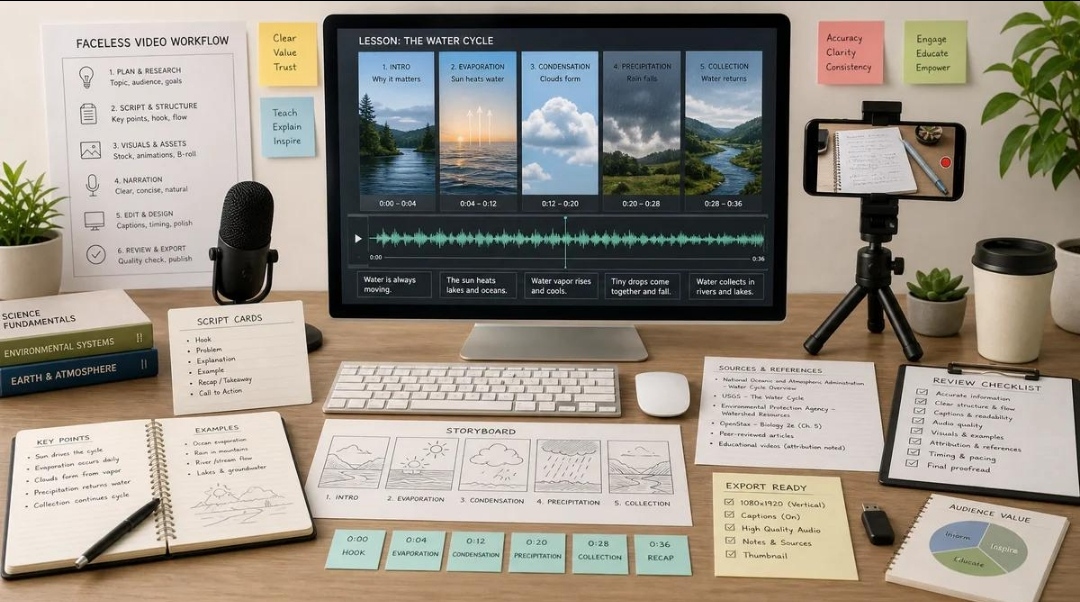
Let's focus on how to earn money through a faceless YouTube channel without using images, photographs or illustrations.
You can create an entire channel using only animated text, narration, subtitles, screen recordings and background music.
### 1\. Best channel ideas
I recommend these five niches:
| Channel niche | Example video |
| ---------------------- | ---------------------------------------- |
| AI & Technology | 7 Free AI Tools You Should Know |
| Finance & Stock Market | How Does the Stock Market Work? |
| Business & Startups | How Zomato Makes Money |
| Education | 5 Business Concepts Everyone Should Know |
| Horror Stories | The Mystery of the Midnight Call |
My first choice would be AI, Technology and Business Education because you can create educational content and also explore affiliate marketing.
### 2\. How to create videos without images
Use this production method:
* Script: Write an original script using ChatGPT.
* Voice-over: Use your own voice or an AI voice.
* Background: Use a solid black, white or gradient background.
* Text animation: Display important words and sentences with animation.
* Subtitles: Add synchronized subtitles.
* Audio: Add copyright-safe background music.
* Editing: Combine everything in CapCut.
Example:
Video title: 5 AI Tools That Can Save Your Time
* Opening: "Do you know that AI can save hours of your daily work?"
* Screen 1: "Tool No. 1 – ChatGPT"
* Screen 2: "Tool No. 2 – Perplexity"
* Screen 3: "Tool No. 3 – Canva"
* Screen 4: "Tool No. 4 – ElevenLabs"
* Screen 5: "Tool No. 5 – NotebookLM"
* Ending: "Subscribe for more AI tools and technology."
No images are required.
### 3\. How to earn money
You have six potential income sources:
* YouTube advertisements: Earn after qualifying for monetization.
* Affiliate marketing: Promote AI software and earn commissions.
* Sponsorships: Companies pay you to feature their products.
* Digital products: Sell ebooks, templates and educational guides.
* Services: Offer website development, marketing or video editing.
* Memberships: Offer exclusive educational content.
You can also promote your AI tools marketplace through relevant videos and generate visitors.
### 4\. Realistic 30-day content strategy
| Content | Target |
| ---------------- | ------ |
| YouTube Shorts | 20 |
| Long-form videos | 8 |
| Niche research | Daily |
| Script writing | Daily |
| Channel analysis | Weekly |
Don't expect guaranteed income in 30 days. Your first goal should be finding a content format that attracts and retains viewers.
### 5\. Tools you can use
| Tool | Purpose |
| --------------------- | -------------------------- |
| ChatGPT | Script writing |
| ElevenLabs | AI voice |
| CapCut | Text animation and editing |
| YouTube Studio | Analytics |
| YouTube Audio Library | Background music |
### 6\. Important monetization advice
YouTube does not prohibit faceless channels or AI voices. However, repetitive, mass-produced and low-value content may not qualify for monetization. Original scripts, meaningful explanations and quality editing matter.
My suggestion: Start with one channel rather than multiple channels. Focus on AI, technology and business education